

Soft Ivory
Use the lightest warm value to preserve openness around walls, large upholstery and bedding.
The Solmere Color Study
Soft enough to feel calm. Layered enough to feel alive.
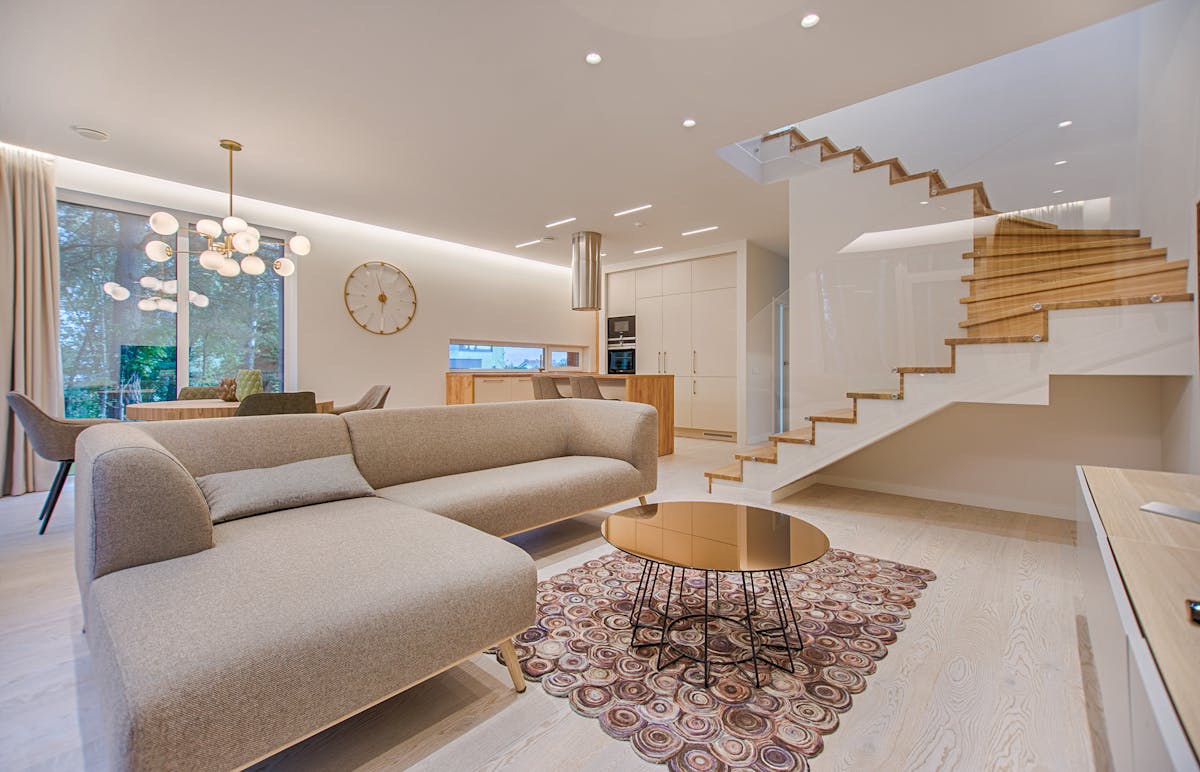
Warm neutral interiors are built through nuance rather than contrast. Cream upholstery, natural wood, woven rugs, softly reflective mirrors, sculptural tables and ambient lighting work together to create rooms that feel composed without becoming cold, minimal without becoming empty, and elevated without losing comfort.
The Approach
A warm neutral room succeeds when similar tones are separated by texture, scale, shadow and finish rather than by dramatic color.
The foundation begins with larger pieces: a sofa with a relaxed silhouette, an upholstered bed, a substantial dining set or an area rug that visually gathers the room. These elements establish weight and proportion before smaller objects are introduced.
From there, variation becomes subtle. Smooth tables sit beside woven textiles. A mirror brings reflection to matte surfaces. Table lamps and floor lamps soften the transition from daylight into evening. Decorative objects provide punctuation rather than noise.
Tonal Framework
Rather than treating beige as one color, build the room through several related values. Each layer should feel connected while serving a different visual role.
Use the lightest warm value to preserve openness around walls, large upholstery and bedding.
A softer mid-tone ideal for woven surfaces, rugs, cushions and relaxed upholstery.
Adds visual weight through side tables, larger decorative forms and grounding accessories.
Natural wood introduces warmth and a clear material shift without disrupting a restrained palette.
Use sparingly in frames, table bases or smaller details to create definition and architectural contrast.
Layering With Intention
When color differences are intentionally restrained, texture becomes the primary source of dimension. Pair surfaces that respond differently to light and touch.
Soft sofas, accent chairs and beds gain structure when placed beside clean wood tables and nightstands.
Area rugs absorb light while mirrors return it, creating a room that feels layered without relying on strong color.
Vases and candle holders become more expressive when surrounded by the softer pools of light created by table and floor lamps.
Balance substantial furniture with smaller finishing pieces so the room feels complete without becoming visually dense.
Material Library
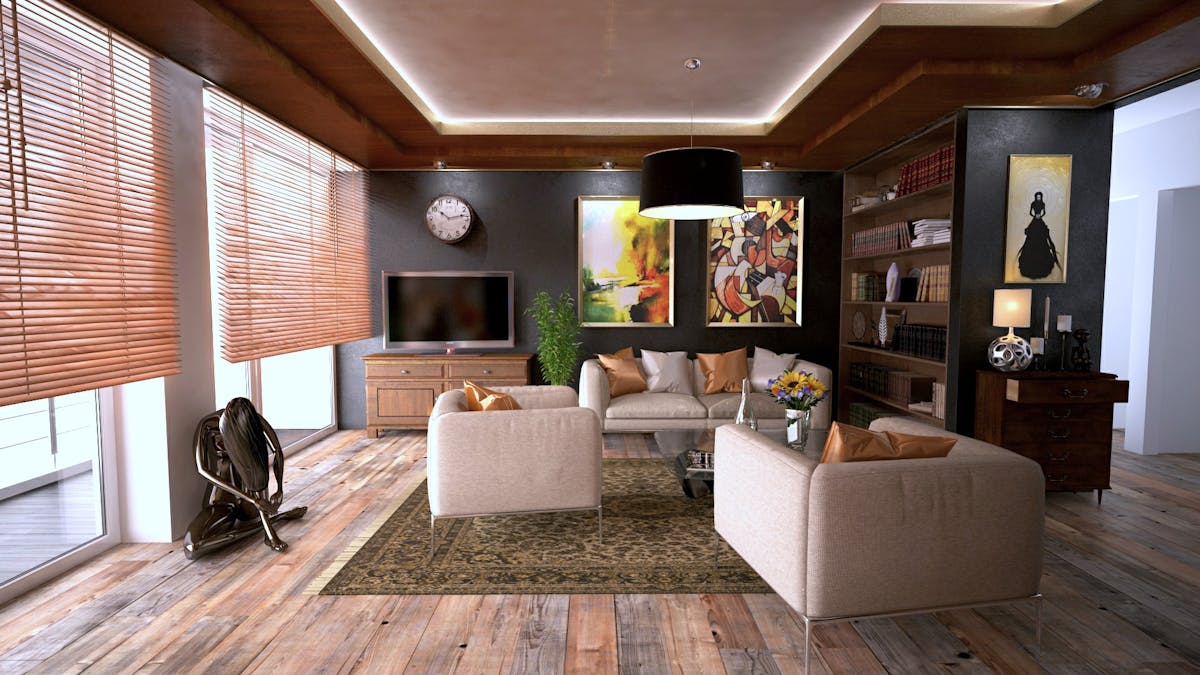
Warm neutral spaces become memorable through material contrast. The goal is not to introduce more visual information, but to make every selected surface contribute a distinct sensation.
Sofas, accent chairs and beds carry the softest visual weight in the room. Choose generous shapes and allow fabric texture to remain visible rather than covering every surface with decorative layers.
Side tables, coffee tables, nightstands and dining sets can introduce natural structure. Grain and subtle tonal movement keep the palette from feeling flat.
Area rugs establish visual boundaries while adding softness underfoot. In neutral interiors, the weave itself becomes as important as color.
Mirrors create depth and brightness while maintaining a quiet palette. Position them where they can reflect natural light or a deliberately styled composition.
Vases introduce shape without requiring strong color. Choose forms that feel interesting from several angles and give them enough surrounding space to be noticed.
Table lamps and floor lamps define evening atmosphere. Multiple lower sources often create a warmer and more dimensional result than one dominant overhead light.
Candle holders contribute a smaller, more personal scale of illumination that works especially well across coffee tables, dining surfaces and consoles.
Open surface area is part of the material composition. Allow breathing room around objects so texture and form remain readable rather than visually compressed.
Room Composition
Every room benefits from a clear hierarchy. Establish one primary anchor, add functional companions, then finish the setting with light and carefully spaced objects.
Sofa · Accent Chair · Rug · Coffee Table
Begin with seating and circulation. Let the rug define the conversation zone, then introduce a coffee table with enough visual weight to connect the sofa and chairs. Finish with one floor lamp and a restrained decorative object.
Bed · Nightstands · Table Lamps · Mirror
Let the bed remain the visual anchor. Nightstands should support the composition rather than compete with it, while paired or coordinated lamps create calm symmetry. A mirror can add brightness without introducing another heavy furniture piece.
Dining Set · Rug · Vase · Candle Holders
Keep the dining table visually dominant. A rug can quietly define the zone, while one vase or a small grouping of candle holders adds atmosphere without reducing practical serving space.
Accent Chair · Side Table · Floor Lamp
Three pieces can establish a complete destination. A sculptural chair provides comfort, a compact side table adds utility and a floor lamp creates a vertical line while giving the area its own light.
Mirror · Vase · Small Surface
Treat the entry as an introduction rather than a storage display. Reflection, one sculptural object and a clear surface can create a stronger arrival than a collection of unrelated accessories.
A Study in Restraint
Warmth comes from relationship: fabric beside wood, shadow beside light, softness beside structure.
Curated Combinations
Use these combinations as flexible frameworks rather than fixed sets. The objective is visual continuity with enough contrast in scale and texture to keep each arrangement expressive.
Sofa + Area Rug + Coffee Table
Keep the sofa visually soft, allow the rug to extend beyond the seating footprint and select a table with enough mass to hold the center of the composition.
Accent Chair + Side Table + Floor Lamp
Use three distinct heights to make a compact corner feel intentional. Keep the footprint controlled and allow open wall or floor area around it.
Bed + Nightstand + Table Lamp
Keep bedside objects low in number and intentional. A clear surface beside a warm lamp often feels more luxurious than a densely styled arrangement.
Dining Set + Vase + Candle Holders
Maintain generous negative space around the centerpiece. One larger vase or a small candle arrangement can be enough to establish a sense of occasion.
Mirror + Side Table + Vase
Position the mirror to reflect light or a visually calm part of the room. Keep the surface beneath it edited so the reflection remains part of the design.
Table Lamp + Floor Lamp + Candle Holder
Place light sources at different heights to create depth after sunset. The room should contain several soft pools of light rather than one harsh focal source.
The Layer Formula
Furnish in stages. A room is easier to edit when each new layer has a defined purpose.
Place the largest functional piece first: sofa, bed or dining set. Establish circulation and scale before considering decorative additions.
Introduce an area rug or complementary furniture surface to visually connect the anchor with the rest of the room.
Add nightstands, side tables, coffee tables or accent chairs only where they improve function or spatial balance.
Use table lamps and floor lamps to establish multiple levels of ambient illumination and soften the room after daylight fades.
Add a mirror when the room benefits from more visual depth, reflected daylight or an architectural focal point.
Complete the arrangement with a vase, candle holder or another small object. Stop before every available surface is occupied.
Atmosphere After Dark
Warm neutrals become especially expressive in the evening. Soft illumination reveals weave, grain, curved silhouettes and shadow in ways that bright uniform lighting cannot.
A floor lamp gives the room a taller visual line and can define a seating zone without requiring another piece of substantial furniture.
Table lamps bring illumination closer to the eye and make bedsides, side tables and reading areas feel more intimate and complete.
Candle holders provide the smallest scale of light. Use them selectively to introduce movement and atmosphere around dining and living areas.
Principle 01
Repeat related tones or materials across a room without making every piece identical. Cohesion feels more natural when the relationship is visible but not exact.
Principle 02
Large furniture, medium surfaces and smaller objects should create a clear progression. Too many objects of equal visual weight can make a neutral room feel static.
Principle 03
Leave visible space between objects. The calm associated with warm neutral interiors depends on allowing the eye somewhere to rest.
Solmere Service
The experience surrounding your furniture matters as much as the pieces themselves. Our service standards are intentionally straightforward.
Customer support is available around the clock for order questions and general assistance.
Every product ships free, making the purchase experience clearer from the beginning.
Orders are delivered within approximately 3–5 business days under our standard delivery timeline.
Eligible purchases include free returns and exchanges within 30 days for greater peace of mind.
Styling Questions
Practical guidance for creating a warm neutral interior with furniture, lighting, rugs and decorative objects. Every answer remains closed until selected.
Use several types of surface rather than relying on several strong colors. Upholstery, woven rugs, natural grain, reflective mirrors and warm lighting all respond differently to light, creating visible depth while preserving a calm palette.
No. Slight variation generally creates a more natural and sophisticated result. Combine lighter and deeper warm neutrals, then use material and scale to make each piece feel intentional within the overall composition.
Begin with the largest functional anchor in the room. In a living room, that is usually the sofa. In a bedroom, start with the bed. In a dining room, begin with the dining set. Smaller furniture and decor can then be chosen in relation to its scale.
Think of the rug as a textural field rather than simply a color accent. Use it to visually connect furniture and soften the room. A subtle weave or tonal pattern can create depth without interrupting the quiet palette.
Place mirrors where they can reflect natural light, extend a thoughtful view or create additional depth. Avoid positioning them so they primarily reflect cluttered storage or visually busy areas.
There is no fixed number, but each object should contribute shape, texture, atmosphere or function. A single vase or a small group of candle holders often has more visual impact when surrounded by open surface area.
Use them at different heights and in different zones. A floor lamp can define a reading or seating area, while table lamps create smaller pools of light near sofas, beds and side tables. Together they create a softer evening atmosphere.
Yes. All Solmere products include free shipping.
Orders are delivered within approximately 3–5 business days under our standard delivery timeline.
Eligible purchases include free returns and exchanges within 30 days under the store return conditions.
Solmere customer support is available 24 hours a day, seven days a week.
The Final Layer
Start with comfortable furniture, establish a quiet tonal foundation and finish with texture, reflection and soft illumination. A refined neutral interior should feel effortless because every element has enough room to be seen.
